
Suresh Narayanan, chairman and managing director of Nestl India, is set to retire on July 31 next year, marking the end of an era that began 26 years ago with the Nestl group, a multinational giant in the food and beverage space. His tenure is perhaps most famously defined by his role in reviving the Maggi noodles brand. When Narayanan stepped into leadership at Nestl India in 2015, the company was facing criticism: the Food Safety and Standards Authority of India (FSSAI) had ordered a nationwide recall of the popular Maggi noodles due to high levels of lead found in the product.

'Food inflation is important and if that is controlled, then consumption will go up.'

Mondelez, Coca-Cola, PepsiCo and Nestle India have been working on bringing down the sugar, salt, and sodium content.
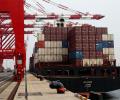
Container prices have shot up by up to 300 per cent in the past one month owing to geopolitical tensions between Israel and Iran following the former's attack on Hamas, causing shortages and pushing consumer durables companies to increase prices. Companies have planned increases but some are yet to decide on the extent of the increase.

'During the scorching summer months of election season, largescale outdoor gatherings create a prime opportunity for increased consumption in the packaged drinking water category.'

With the IPL kicking off, speculations are rife that the former Indian cricket team captain M S Dhoni will hang up his boots after handing over the captaincy of Chennai Super Kings (CSK) to Ruturaj Gaikwad. However, brand experts believe this is not the end of the road for Dhoni as a celebrity, and he still has some mileage left even if he completely retires. Dhoni is expected to continue being associated with CSK even after retirement, according to a media report.
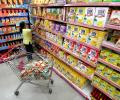
Over the past year, Amul has undergone a transformative journey, evolving from a dairy-centric entity to a comprehensive foods company. Since 2022, PepsiCo India, too, has embarked on extensive launches in the food category. Not to be left behind, ITC, which has been introducing an average of 100 fast-moving consumer goods (FMCG) products across categories every year, has also launched a number of packaged food items.

Sales of apparel were a mixed bag this festive season while those of consumer durables saw an uptick with mobiles, laptops, and air conditioners being in demand. In apparel, Tier-2 and -3 markets did better for some brands, because these have been witnessing an uptick for the past 18-20 months compared to metros. "The past two weeks have been good, and we saw a 13 per cent increase in value sales, and volume sales have also been similar," Manish Kapoor, managing director (MD) and chief executive officer (CEO), Pepe Jeans
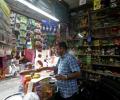
Regional and local fast-moving consumer goods (FMCG) brands are gaining momentum at the cost of national brands for the second quarter in a row. Consumer brands are now losing out on share, especially at the mass end of the market. Local brands have been able to capture market share as prices of raw materials are lower.

Posco Daewoo, the South Korean conglomerate whose Cielo sedan and Matiz hatchback were once the pride of Indian car owners, is looking to re-enter India. And its return journey is riding on plans to sell electric bikes and e-cycles. The company termed India's robust economic growth and surging consumer demand as reasons behind its comeback plans, saying they make India "one of the world's most promising consumer markets," according to Y S Choi, general manager, Posco Daewoo South Korea.
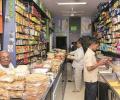
With the rains at unprecedented low in August, kiranas are thinking twice before stocking up on goods. "With August 2023 rain shortfall at almost a 100-year low, we are seeing kiranas stocking up very carefully," Akshay D'Souza, chief of growth and insights at Bizom. He added, "As we look ahead, it does seem that the impact of rains in September will be critical to the sowing season.

With a 35 per cent compound annual growth rate, the market for these brands is expected to reach $10 billion by 2027-28 (FY28), up from $2.4 billion now.

'India has the potential to do a lot more to take advantage of the time today where we stand to gain, geopolitically and in terms of market attractiveness.'

The cost of open cells has seen an average increase of between 3 and 20%, and is higher for larger screen TVs in July, according to manufacturers of televisions

Beer to be allowed in certain offices in Haryana; other states allow its sale in stores and malls.
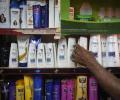
HUL and Genpact aim to enable these businesses to eventually get absorbed into the supply chains of large consumer companies, including that of HUL. In 2021, the maker of Sunsilk shampoos committed to spending Rs 2,000 crore annually with diverse businesses by 2025, Ansu Archana, procurement director, beauty & wellbeing, HUL, told Business Standard. Archana added that the program aligns with Unilever's wide-ranging set of commitments and actions to help build a more equitable and inclusive society.

This is the Mukesh Ambani-led company's second entry into the dairy segment and it will directly compete with Amul and Mother Dairy.
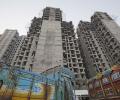
Bengaluru-based Prestige Estates Projects recently said it aims to double its annual residential sales bookings to Rs 25,000 crore by FY26 from its current markets and others such as Mumbai, Pune and National Capital Region (NCR). The company's chairman and managing director Irfan Razaq tells Raghavendra Kamath about his plans to achieve the target and outlook for the real estate market.

'The rising cost of construction, the cost of doing business, high compliance, and inflation/interest rates going up have already reduced returns to single digits.'

Most players are looking to invest anywhere between $500 million and $1 billion in new ventures in the next couple of years, said experts on this segment.
 © 2026 Rediff.com - Advertise with us - Disclaimer - Privacy Policy - Sitemap - Feedback - About us - Terms of use - Grievances